Building a Remote Work Culture That Actually Holds
I've been working remotely for over six years now, across time zones, teams, and companies. The thing that surprised me most early on wasn't the freedom — it was how much structure remote work quietly demands. A good remote culture doesn't happen because you bought the right chat app. It's built, deliberately, on a few habits that compound over time.
Here's what I've come to believe actually matters.
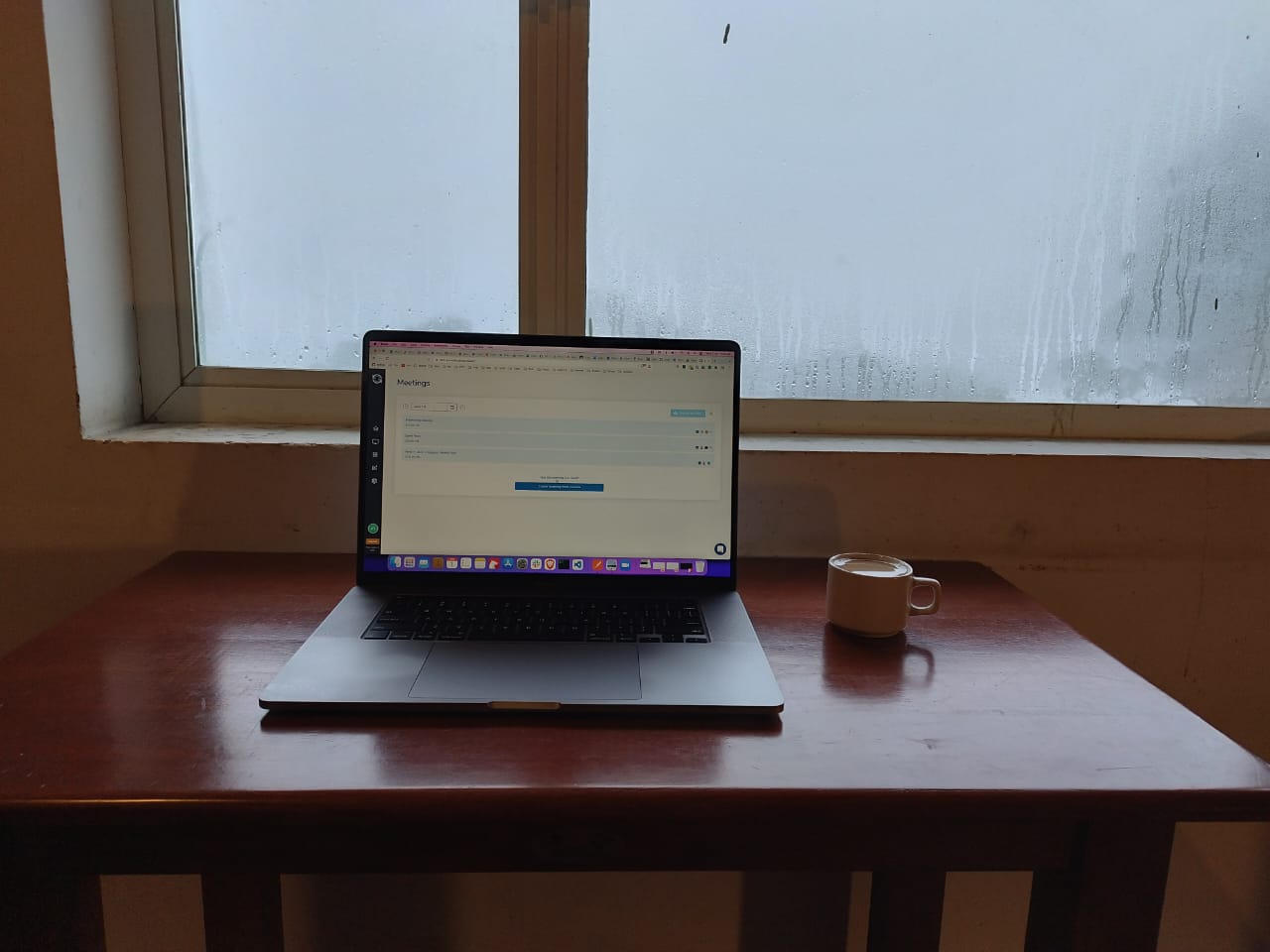
Discipline: you are your own manager
When nobody is watching the clock, the clock becomes yours to manage. That sounds liberating, and it is — but only if you build your own structure to replace the one the office used to provide.
For me that means a real start ritual, a defined shutdown, and treating my calendar as a contract with myself. Remote work rewards people who can create their own guardrails. Without them, the day either bleeds into the night or evaporates entirely. Discipline isn't about working more hours; it's about making the hours you do work count.
Trust: measure output, not presence
The fastest way to kill a remote team is to manage it like an in-office one — green dots, "are you there?" pings, and meetings to prove work is happening. All of that optimizes for looking busy, which is the opposite of what you want.
Remote teams run on trust, and trust runs on clarity. When expectations and outcomes are written down, people can be judged on what they ship, not when they happen to be online. I'd much rather see a clear pull request and a short written update than a wall of "online" indicators. Default to async, write things down, and let the work speak.
Focus: protect deep work like it's the product
The single biggest advantage of remote work is uninterrupted time — and it's also the easiest thing to lose. A calendar packed with overlapping calls turns a remote job into an office job with worse coffee.
I protect focus aggressively: blocks of no-meeting time, notifications off during deep work, and a strong bias toward a thoughtful written message over an impromptu call. Most "quick syncs" are a paragraph in disguise. When you respect focus as a team, you get the kind of output that makes the whole remote model worth it.
Time management: make the overlap count
Living in India and collaborating with teams elsewhere, I can usually overlap four or five hours with most time zones. That overlap window is precious, so I treat it intentionally: synchronous time for the things that genuinely need a conversation, and everything else handled async on either side of it.
A few rituals carry a lot of weight here:
- A short written daily update so nobody has to ask where things stand.
- Clear "core hours" so people know when they can expect a quick reply.
- Generous documentation, so a teammate eight hours away isn't blocked waiting for me to wake up.
The goal is simple: no one should be stuck waiting on a person in another time zone to make progress.
Culture is built, not declared
You can't announce a remote culture in an onboarding doc and call it done. It shows up in the small defaults — whether decisions get written down, whether people are trusted with their own time, whether focus is protected or constantly interrupted.
Get those defaults right and remote work stops feeling like a compromise. It becomes the version of work where the best people do their best thinking, on their own terms, and still move together as a team. That's been my experience, and it's why I wouldn't trade it.
Back to all posts